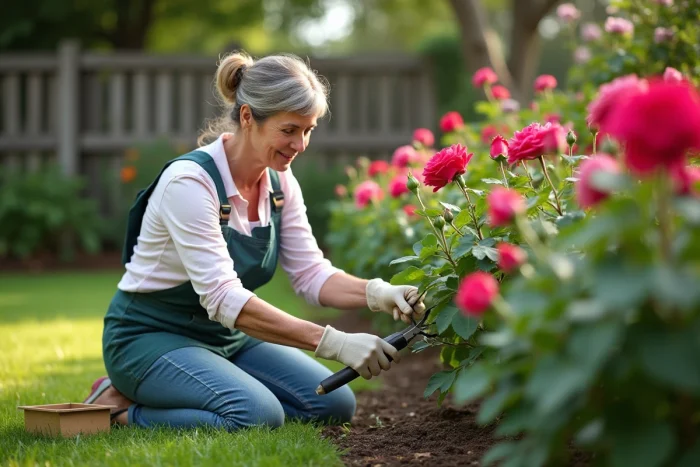
Pruning perennials at the beginning of winter does not always ensure their vigor in spring. Some soil treatments, when applied excessively, deplete the microbial biodiversity essential for the health of the plants. Poorly adjusted automatic watering promotes the proliferation of fungal diseases, even during dry periods.
Sustainable results often rely on a combination of simple actions and regular attention to the specific needs of the plants. Adapting care according to the seasons and integrating environmentally friendly practices allow for a vibrant, balanced, and resilient outdoor space.
The basics of a thriving garden all year round
A healthy garden is not a matter of chance: it depends on constant vigilance towards the soil, the plants, and respect for natural cycles. Garden maintenance, far from being reduced to a quick sweep or a hasty pruning, is adjusted to every corner of the property, whether it is a flower bed, a lawn, or a lush hedge. Taking the time to observe, intervene regularly, and refine one’s actions helps to strengthen biodiversity, support plant growth, and add real value to the outdoor space.
Do not underestimate the importance of tools. A well-sharpened pruner makes pruning easier, a suitable rake speeds up leaf collection, a precise watering can minimizes water loss, a high-performance mower makes all the difference on the lawn, and sturdy gloves effectively protect the hands. Investing in quality equipment makes maintenance less laborious and much more effective.
Hiring a landscaper opens the door to tailored support. A precise diagnosis, personalized advice, and sometimes an annual maintenance contract ensure attentive follow-up throughout the seasons. Specialized platforms like jardinier.net provide direct access to expertise and a wealth of ideas, regardless of your garden’s style.
Here are three key points to keep in mind to maintain the balance of your garden:
- Test the soil before taking any action to adapt your interventions.
- Implement crop rotation to limit diseases and naturally enrich the soil.
- Alternate pruning, organic matter additions, and watering while considering the natural calendar.
The challenge is to remain attentive to the regularity of care, respect natural rhythms, and rely on reliable resources to maintain a flourishing garden all year round.
What tips to adopt throughout the seasons for effective maintenance?
The rhythm of gardening follows that of the seasons. At each stage, precise actions make a difference, whether it is preparing the soil, boosting growth, or protecting what has already grown. In spring, cleaning the flower beds, fertilizing, pruning shrubs, and planting young plants are essential. Adding compost or organic fertilizer gives new shoots the best chance. In the vegetable garden, sowing and the first transplants require increased vigilance.
In summer, adapt your habits: water early or late to limit evaporation, mow without scalping the lawn, and keep an eye on pests. Prune to prolong flowering and provide shade for young plants. Mulching becomes a valuable ally, retaining moisture and slowing the growth of weeds.
In autumn, it is time to collect fallen leaves, enrich the soil for winter, and plant bulbs that will color the following spring. Protect fragile plants with a thick mulch or an appropriate cover. Take advantage of this season to think about the organization of the vegetable garden and prepare for crop rotation.
Winter, far from being a period of inactivity, allows for monitoring the general condition of the plants, pruning fruit trees, and thinking about future landscaping. It is also the time to maintain your tools and prepare the ground for the upcoming season, ensuring you start spring ahead of the game.
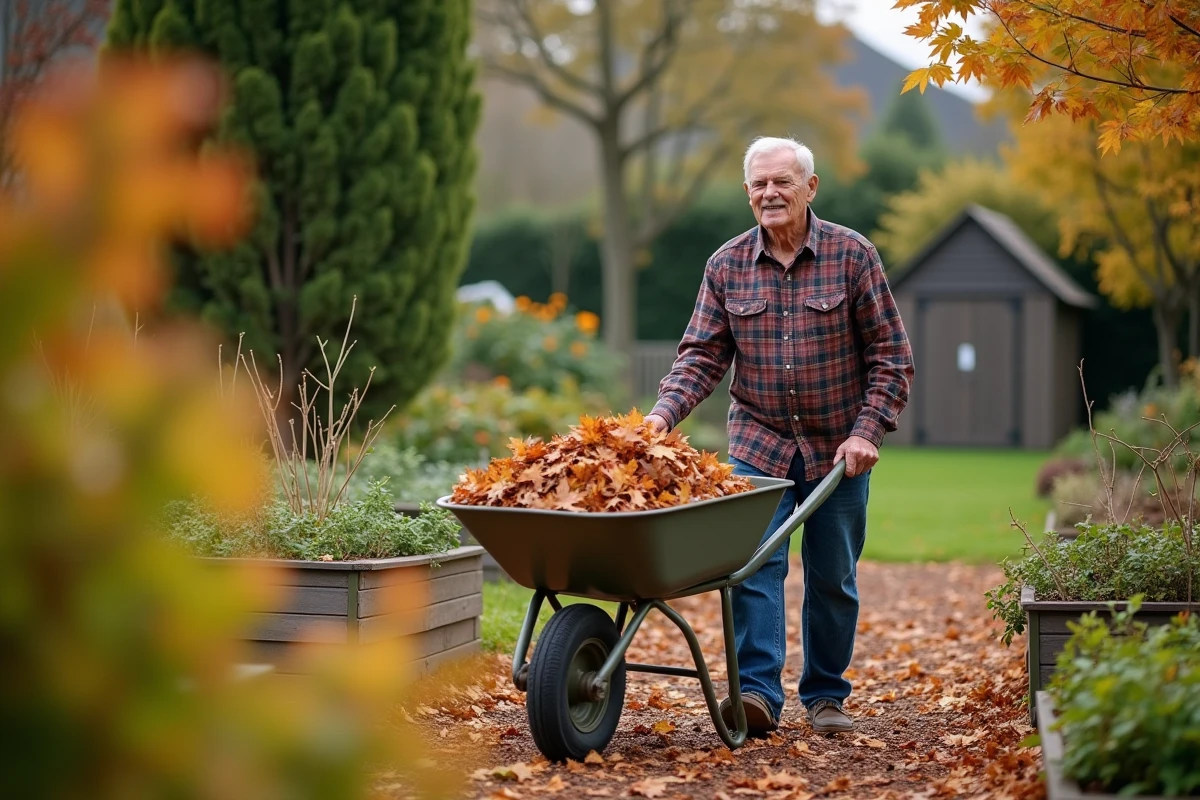
Maintaining your garden while respecting nature: simple actions for an ecological space
Creating a vibrant garden that respects the environment involves simple actions inspired by the natural rhythm. Nourishing the soil with compost or organic fertilizer allows for the recycling of green waste from the home and garden, restoring essential nutrients and supporting the activity of indispensable microorganisms. Mulching, done with local resources such as dried grass clippings, fallen leaves, or chipped branches, protects your soil, limits evaporation, and slows the growth of competing grasses.
To stimulate biodiversity, vary plantings by associating the right species and installing flowers that attract pollinators. Ladybugs, hedgehogs, and birds find refuge in wood piles, free hedges, or dry stone walls. These spaces host useful wildlife, a valuable ally for the gardener.
Here are a few practices to easily integrate for a more natural space:
- Alternate vegetable families in the vegetable garden to preserve soil fertility and limit the appearance of diseases.
- Favor natural treatments, such as plant decoctions, black soap, or nettle and horsetail extracts, to ward off pests without disrupting the ecosystem.
Mastering watering, by collecting rainwater and considering the nature of the soil, is part of these important actions. Each of these actions, no matter how modest, contributes to creating a harmonious space where nature takes its place and where the garden flourishes, season after season.