A zucchini gratin that comes out of the oven with a flat smell, roasted carrots lacking character: the problem rarely lies with the vegetable. It comes from what has (or hasn’t) been added on top. Vegetable and gratin spices radically change the outcome, provided you choose the right ones and understand what happens between the packet and the plate.
Traceability and food safety of spices: what matters before seasoning
Before discussing flavors, we must talk about product quality. Dried spices can harbor bacteria such as Salmonella, which survives long after drying. Health authorities recommend appropriate control for each spice and its geographical origin.
European regulations govern contaminants according to the type of spice: pesticide residues, mycotoxins, heavy metals, product authenticity. Buying whole spices and grinding them yourself limits the risk of mixing or adulteration, but does not exempt you from checking the labeling and batch number.
The organic label implies enhanced documentary traceability. In practice, an organic spice is not automatically safer than a conventional one if import controls are insufficient. Look at the country of origin, the packager, and favor short supply chains or brands that display their analyses.
To explore original recipes on Mon Blog Cuisine, you will also find selection tips by dish type.
Whole or ground spices for your gratins: a choice that changes everything
Have you ever noticed that freshly cracked pepper is nothing like the gray powder from an old jar? The form of the spice directly modifies the intensity and duration of the flavor.
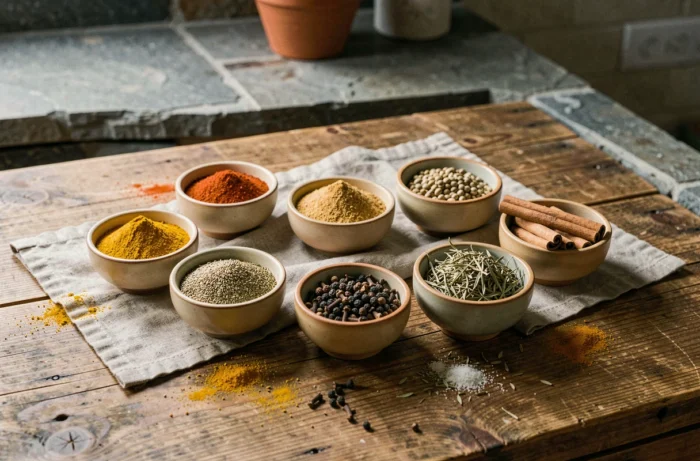
A whole spice retains its important oils longer. Cumin seeds, cinnamon sticks, cloves: as long as they are not ground, their aromas remain protected. Grinding releases these volatile compounds, which accelerates the loss of flavor.
For a gratin, the powder integrates better into the béchamel or cream. For roasted vegetables, whole seeds (cumin, coriander) toasted dry in a pan before being sprinkled add crunch and depth that powder does not provide.
- Dauphinois or cauliflower gratin: freshly grated nutmeg at the last moment, as its flavor evaporates quickly during long cooking.
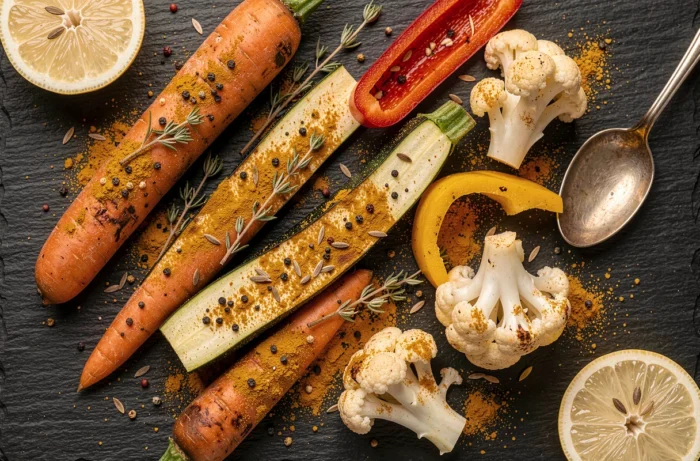
- Oven-roasted vegetables: whole cumin and coriander seeds, added at the beginning of cooking to release their aroma in the dry heat.
- Quick sauté of zucchini or peppers: ground turmeric mixed with a drizzle of oil, incorporated from the start for even coloring.
Five spices that transform vegetables and gratins daily
Rather than a list of ten names without explanation, let’s focus on five spices that make a real difference in vegetables and gratins, with specific uses.
Cumin: the base for root vegetables
Cumin has a warm, slightly bitter taste that pairs well with carrots, sweet potatoes, and turnips. In toasted seeds, it adds a smoky note. In powder form, it integrates into a tomato sauce to accompany an eggplant gratin.
Turmeric: color and earthy sweetness
Turmeric colors a cauliflower gratin an intense yellow. Its earthy flavor is better revealed with a fatty body (butter, olive oil, cream). Use half a teaspoon for a dish serving four: beyond that, bitterness takes over.
Smoked paprika: depth without the heat
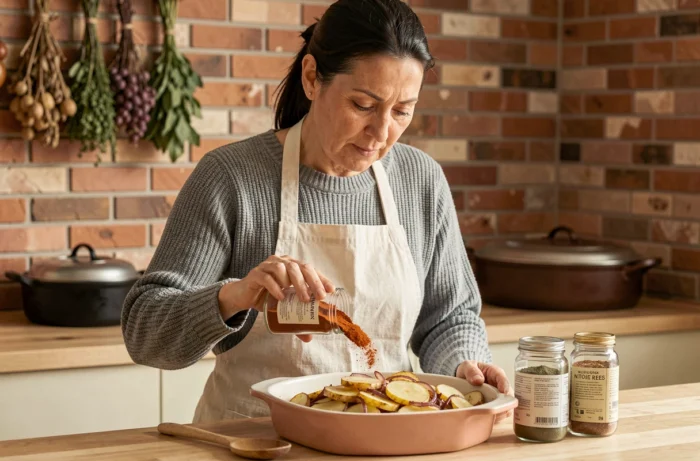
Smoked paprika (pimentón) gives grilled vegetables a hint of ember without the burn of chili. It works remarkably well on potatoes, peppers, and roasted onions. Add it at the end of cooking: prolonged heat destroys its smoky aroma.
Cinnamon: be mindful of the variety chosen
Cinnamon adds a sweet roundness to squash or sweet potato gratins. However, not all cinnamons are equal. Coumarin, naturally present in varying amounts depending on the varieties, is regulated in Europe with a limit of 2 mg/kg due to its potential effects on the liver.
The so-called “Ceylon” cinnamon contains significantly less coumarin than cassia cinnamon, which is more commonly found in commerce. Check the variety on the label before using it regularly.
Cardamom: the spice that surprises in a gratin
Less expected, cardamom brings fresh, almost minty notes that enhance a carrot gratin or parsnip puree. One or two split pods are enough in the cooking cream. Remove them before serving: accidentally bitten, they saturate the mouth.
Spice blends for vegetables: compose or buy ready-made
Blends like curry, ras el hanout, or garam masala combine several spices in proportions designed to balance each other. They simplify everyday cooking.
Their limitation lies in traceability. A ground blend masks the individual quality of each component. If one of the spices in the batch is of poor quality or contaminated, you cannot detect it. Favor blends whose ingredient list details each spice, without added flavors or colorings.
Making your own vegetable-gratin blend remains simple:
- Ground cumin, turmeric, and sweet paprika: equal parts for a versatile base on all vegetables.
- Add ground coriander and a hint of cinnamon for squash or sweet potato gratins.
- Espelette pepper or chili flakes for those who want a spicy note without overpowering the flavors.
Store your blends in an opaque jar, away from light and moisture. A homemade blend loses intensity after a few weeks: prepare small quantities.
The best reflex to enhance your gratins and vegetables is not to accumulate twenty jars. It’s to know five or six spices well, check their origin, and use them in the right form at the right moment in cooking.